

- New
- September 2, 2026
Fiber Cement Sheets vs Traditional Cement Boards: Which Is Better?
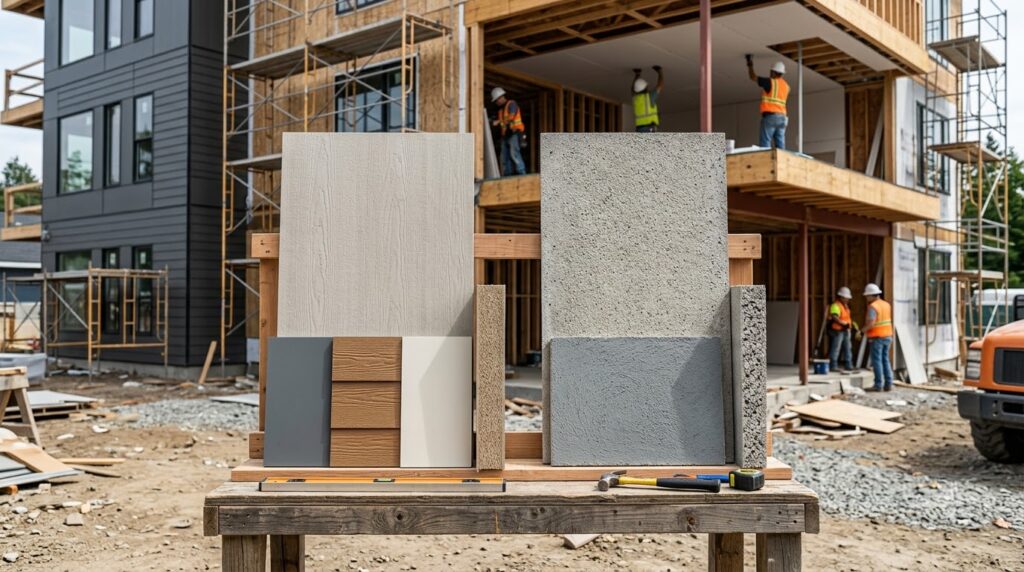
Fiber cement sheets outperform traditional cement boards in most modern applications. They combine cement strength with fiber reinforcement for better flexibility and durability. Builders prefer the best quality fiber cement sheets for projects needing long-term performance without frequent repairs.
This comparison covers key differences in simple terms.
At a Glance
What Makes Them Different
Traditional cement boards use cement and sand pressed into sheets. They work well for basic tile backer applications in wet areas. However, pure cement lacks flexibility and cracks easily under movement.
Best quality fiber cement sheets add cellulose or glass fibers to the cement mix. These fibers create stronger bonds that resist breaking. The result provides similar strength with added toughness for larger wall and ceiling uses.
Both materials resist fire and moisture well. Fiber cement sheets take versatility further for exterior and interior projects.
Strength and Durability
Traditional cement boards handle impact poorly. Dropped tools or minor bangs cause cracks that spread over time. Repairs become necessary sooner in busy construction sites.
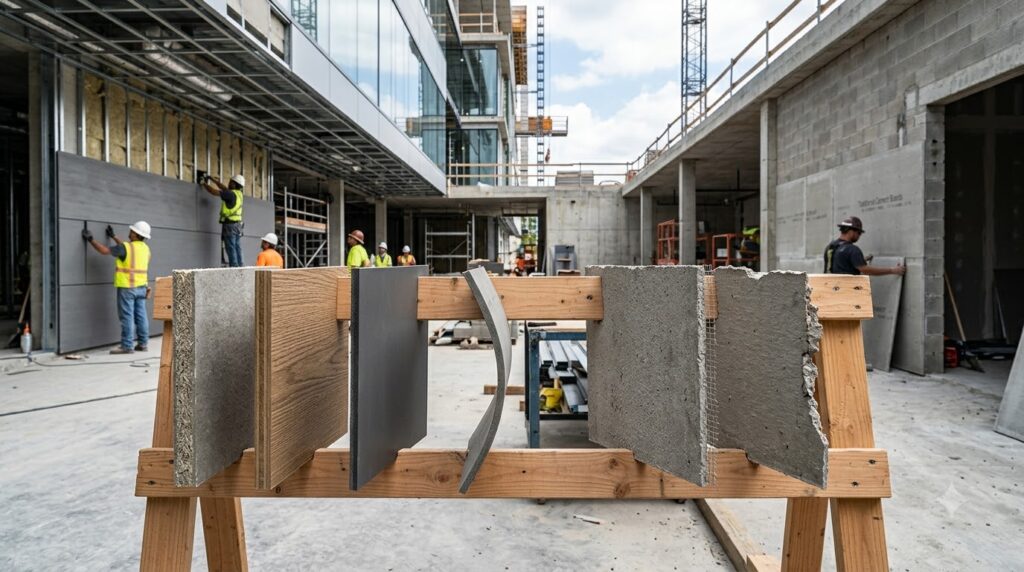
Durable fiber cement board panels flex slightly without breaking. Fibers absorb stress from building settlement or temperature changes. This flexibility prevents the hairline cracks common in pure cement products.
Long-term tests show fiber cement sheets maintain shape after 30 years. Traditional boards often need replacement within 15 years in demanding locations.
Weight and Handling
Traditional cement boards weigh more per square meter. Heavier sheets require stronger support framing and more labor to lift. Workers tire faster during large installations.
Fiber cement sheets stay lighter despite equal thickness options. Teams install larger areas more quickly with less physical strain. This speed cuts labor costs on commercial projects.
Both cut easily with standard tools. Fiber cement produces less dust during scoring and snapping. Safer work sites result from reduced airborne particles.
Moisture Resistance
Both materials resist water penetration effectively. Traditional cement boards absorb slightly more moisture over time. Edge swelling occurs in constant wet conditions.
Best quality fiber cement sheets limit water absorption through tighter fiber bonding. Kitchen backsplashes and shower walls stay stable under daily splashes. No soft spots develop behind tiles.
Exterior use favors fiber cement completely. Traditional boards crack from freeze-thaw cycles. Fiber versions handle weather changes without surface damage.
Fire Performance
Traditional cement boards are rated non-combustible with excellent fire resistance. They protect structures during short fire exposures well.
Durable fiber cement board panels match this performance exactly. Organic fibers burn away cleanly, leaving the cement structure intact. Both satisfy strict building codes for interior partitions.
High-rise projects approve either option. Fire ratings remain identical across wall assemblies.
Installation Differences
Traditional cement boards need closer framing support. Maximum spans run 400mm apart for stability. Screw patterns follow strict spacing rules.
Fiber cement sheets allow wider framing at 610mm centers. Fewer fasteners reduce installation time significantly. Standard carpentry crews adapt quickly without special training.
Joint treatment differs slightly. Traditional boards use alkali-resistant tape and thinset. Fiber cement prefers specialized sealants that flex with building movement.
Cost Comparison
Traditional cement boards cost less upfront per sheet. Simple composition keeps factory prices low. Small wet-area projects benefit from budget pricing.
Best quality fiber cement sheets run 20-30 percent higher initially. Longevity offsets this through avoided repairs. Total project costs drop over 20-year ownership periods.
Bulk purchases narrow the gap further. Large commercial jobs see minimal price differences after volume discounts.
Appearance and Finish Options
Traditional cement boards serve mainly as tile substrates. Smooth gray surfaces accept thinset mortar evenly. Direct finishing proves challenging without extensive prep work.
Durable fiber cement board panels offer textured and colored factory finishes. Wood-grain, stucco, or smooth faces suit exposed applications. No additional surfacing becomes necessary.
Exterior cladding favors the fiber cement variety. Multiple profiles create architectural interest without premium material costs.
Applications Where Each Excels
Traditional cement boards shine in small wet zones. Shower pan surrounds and sink backsplashes need simple tile bases. Budget bathroom renovations favor their proven reliability.
Fiber cement sheets dominate larger projects. Exterior walls, interior partitions, and ceiling systems benefit from strength and span capabilities. Soffits and fascia boards handle weather exposure best.
Hybrid approaches combine both strategically. Wet zones use traditional boards while main walls specify fiber cement.
Maintenance Over Time
Traditional cement boards need no maintenance when covered. Exposed edges require sealing against moisture wicking. Tile failures reveal substrate damage quickly.
Best quality fiber cement sheets need minimal care, even when exposed. Annual washing removes dirt buildup. Factory finishes resist fading for decades.
Exterior panels outlast painted wood siding three to one. No repainting schedules disrupt building operations.
Environmental Impact
Traditional cement boards use basic ingredients with low processing energy. Production remains straightforward with minimal waste streams.
Fiber cement sheets often incorporate recycled cellulose fibers. Fly ash replaces some Portland cement content. Lifecycle analyses show similar carbon footprints.
Both are recyclable at demolition. Crushed material can be reused as road base easily.
Conclusion
Best quality fiber cement sheets prove superior for most construction needs through added durability and versatility. Durable fiber cement board panels handle larger spans, weather exposure, and finish options better than traditional cement boards. Choose traditional boards only for small budget tile applications.
Contact Geminite for the best quality fiber cement sheets that deliver long-term value.
Frequently Asked Questions
Are the best quality fiber cement sheets stronger than traditional boards?
Yes, added fibers prevent cracking under flex or impact. Durable fiber cement board panels last longer in demanding applications.
Can traditional cement boards go outside?
Limited exterior use only. Weather exposure causes cracking, unlike fiber cement sheets.
Which costs less over 20 years?
Fiber cement sheets save through avoided repairs despite a higher initial price. Total ownership favors durability.
Do both work for tile backer?
Yes, both create stable tile bases. Fiber cement handles larger wet areas better.
At a Glance