

- New
- September 8, 2026
Can Fiber Cement Board Panels Improve Heat & Sound Insulation?
Fiber cement board panels do improve both heat and sound insulation in buildings. Their dense composition blocks heat transfer and absorbs sound waves effectively. These panels work well in homes, offices, and apartments where temperature control and noise reduction matter.
Understanding how they provide these benefits helps you use them correctly.
At a Glance
How Heat Insulation Works
Fiber cement board panels have low thermal conductivity. This means heat moves through them slowly compared to metal or thin materials. The cement-fiber mix creates small air pockets that trap heat.
During hot UAE summers, these panels absorb heat from outside during the day. They release this stored heat slowly at night when temperatures drop. This natural cycle reduces temperature swings inside buildings. Lower numbers mean better insulation. This performance helps rooms stay cooler with less air conditioning.
Heat Insulation Benefits
Buildings with fiber cement board panels need less cooling energy. The thermal mass effect moderates indoor temperatures naturally. Homes stay comfortable without running the AC constantly.
Exterior walls made with these panels block solar heat gain. Interior rooms feel cooler even on 45-degree days. Energy bills drop by reducing cooling demands during peak hours.
Interior fiber cement board designs for partition walls also provide thermal separation. Different room zones maintain separate temperatures easily. Kitchens stay warm while living areas remain cool.

How Sound Insulation Works
Dense materials block sound better than light ones. Fiber cement board panels weigh enough to stop sound waves from passing through. Their density ranges from 1200 to 1500 kg per cubic meter.
Sound waves hit the panel surface and bounce back or get absorbed. The cement-fiber structure dampens vibrations instead of transmitting them. This reduces both airborne noise and impact sounds.
Multi-layer wall systems using fiber cement board panels achieve high sound ratings. Proper installation with insulation between layers blocks even more noise. Office partitions and apartment walls benefit most.
Sound Insulation Performance
Standard single-layer installations reduce noise by 35 to 45 decibels. This blocks normal conversation and television sounds between rooms. Privacy improves significantly in shared buildings.
Double-layer systems with air gaps achieve 57 to 60 decibel reductions. This level blocks loud music, traffic noise, and mechanical equipment sounds. Hotels and recording studios use these advanced setups.
Speech clarity drops dramatically through fiber cement board panels. Conversations in one room become unintelligible next door. This privacy matters in offices, hospitals, and schools.
Combining Heat and Sound Benefits
One material solution handles both insulation needs together. You do not need separate thermal and acoustic treatments. This saves money and simplifies construction.
Exterior applications block street noise while controlling heat. Bedrooms facing busy roads stay quiet and comfortable. A single investment delivers double benefits.
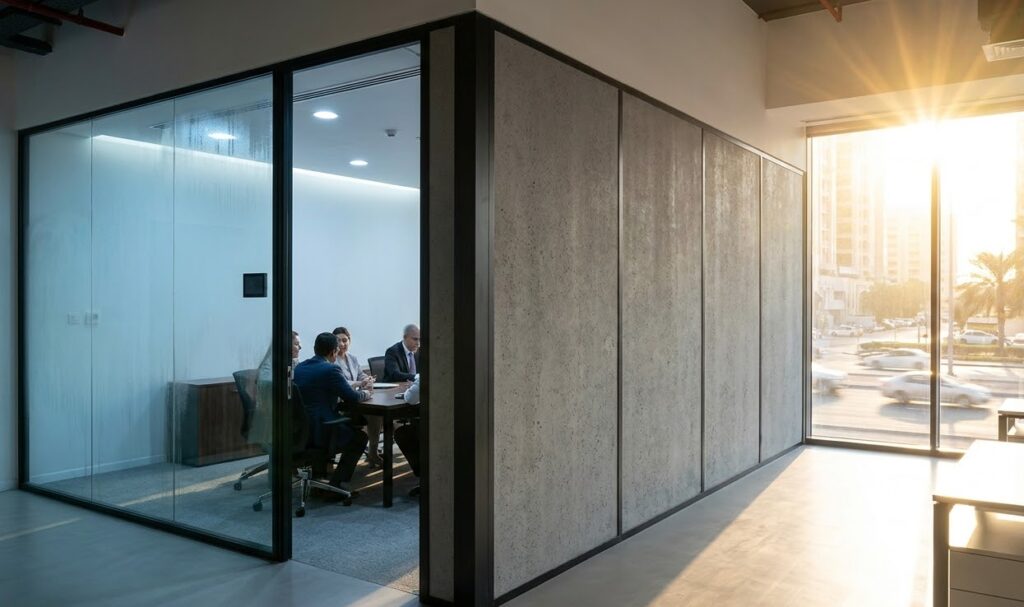
Interior fiber cement board designs create comfortable multi-use spaces. Conference rooms stay soundproof and maintain stable temperatures. Restaurant dining areas separate kitchen heat and noise from guests.
Best Applications for Insulation
Apartment buildings gain most from both properties. Shared walls need sound blocking between units. Climate control benefits all residents through lower utility bills.
Office partitions using fiber cement board panels create productive workspaces. Meeting rooms stay private and comfortable. Open offices reduce noise pollution with strategic panel placement.
Home theaters and music rooms require excellent sound isolation. These panels form effective barriers without expensive specialized materials. Basements and garage conversions benefit similarly.
Installation Tips for Maximum Performance
Proper framing gaps enhance insulation performance. Leave air spaces between studs and panels when possible. This adds another insulation layer without extra materials.
Seal all joints and edges carefully. Sound and heat leak through small gaps easily. Use appropriate sealants designed for fiber cement board panels.
Add insulation batts between wall studs for best results. Combine fiber cement density with fiberglass or mineral wool. Total system performance exceeds individual component benefits.
Thickness Impact on Performance
Thicker panels insulate better for both heat and sound. Standard 12mm boards provide basic protection. Upgrading to 18mm or 25mm improves results noticeably.
Double-layer installations dramatically boost performance. Two 12mm layers with offset seams work better than single 25mm panels. The air gap between layers adds significant value.
Budget considerations balance thickness against area covered. Prioritize thickness in critical zones like bedroom walls. Use standard thickness in less important areas.
Comparing to Other Materials
Gypsum board offers minimal thermal insulation and moderate sound blocking. Fiber cement board panels outperform on both measures. Single material replaces multiple products.
Plywood provides poor insulation for heat and sound. Metal studs conduct both rapidly. Fiber cement stops transfer through dense composition.
Concrete blocks insulate well but weigh much more. Installation difficulty and structural requirements increase costs. Fiber cement board panels achieve similar results with easier handling.
Climate Considerations for the UAE
High outdoor temperatures make thermal mass valuable. Fiber cement board panels store and release heat beneficially. This natural regulation suits desert climate patterns.
Indoor noise control matters more with sealed buildings. Air conditioning requires closed windows year-round. Sound insulation prevents external noise intrusion.
Humidity resistance complements insulation benefits. Panels maintain performance in coastal moisture without degrading. Interior fiber cement board designs stay effective for decades.
Conclusion
Fiber cement board panels improve both heat and sound insulation through dense composition and thermal mass properties. They reduce cooling costs while blocking noise between spaces effectively.
Interior fiber cement board designs deliver comfort and privacy in one practical solution.
Contact Geminite for fiber cement board panels that enhance your building’s insulation performance.
Frequently Asked Questions
Do fiber cement board panels reduce cooling costs?
Yes, low thermal conductivity and thermal mass reduce heat transfer. Buildings need less air conditioning with these panels installed.
How much sound do fiber cement board panels block?
Single layers reduce noise by 35-45 decibels. Double-layer systems achieve a 57-60 decibel reduction for maximum privacy.
Can interior fiber cement board designs replace specialized insulation?
They provide good basic insulation for both heat and sound. Combine with additional insulation for the best results in critical areas.
What thickness works best for insulation?
Thicker panels perform better. Use 18mm or 25mm for maximum heat and sound blocking in fiber cement board panels.
At a Glance